THE SYSTEM
Size and output
The FTC says a bid should state the system's size and how much power it is expected to deliver, and whether that output is guaranteed.
What changes the quote bestpricehomesolar
WHAT A SOLAR BID IS MADE OF
A solar quote is a bundle, not a price tag.
Check your roof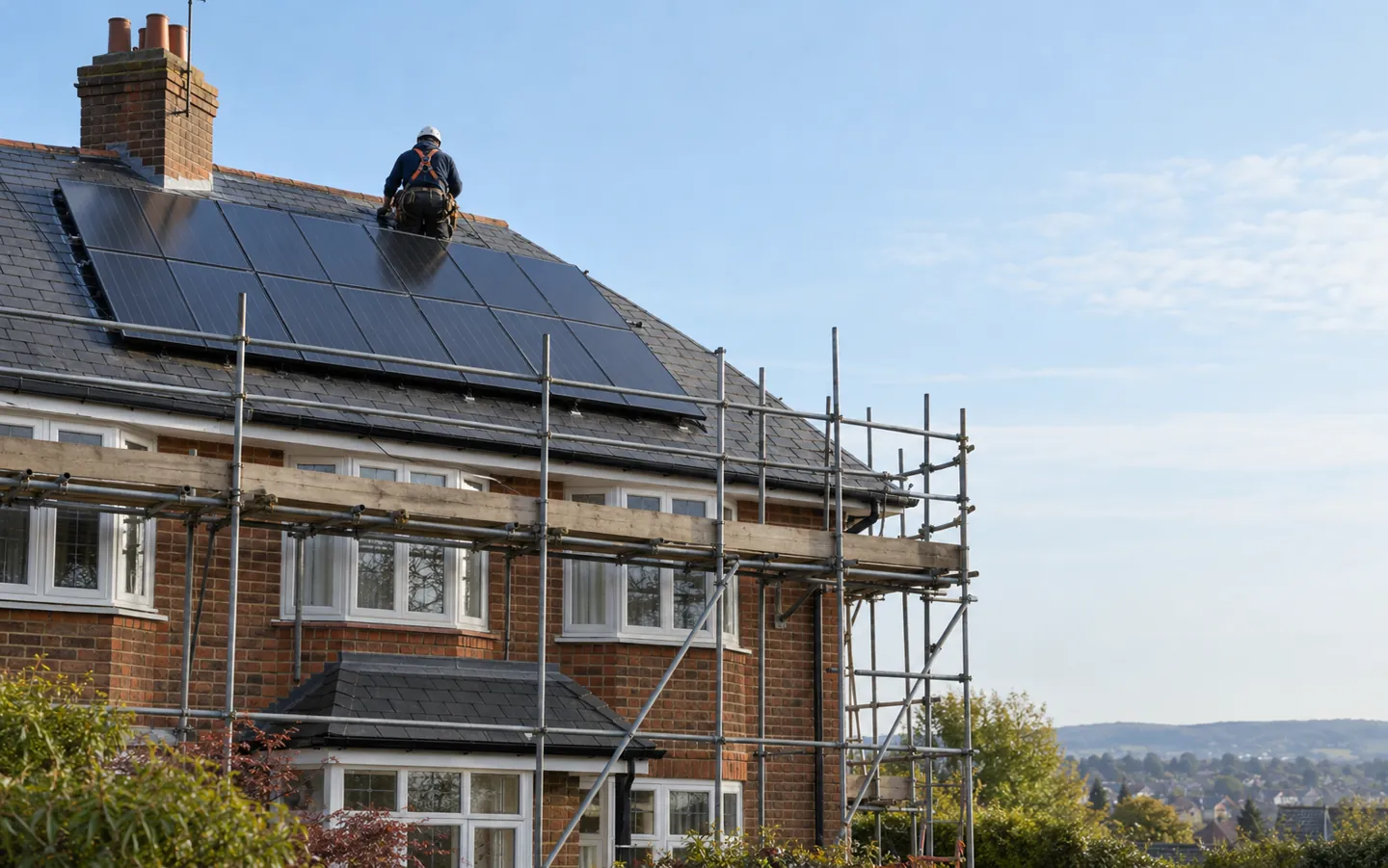
COMPARElike with like
The Federal Trade Commission says each bid should state, in writing, the system's size and expected output, the full installed cost including permit fees, any production guarantee, and the warranties on equipment and workmanship.
At a glance
20 years
Systems are designed to last at least
The FTC notes that systems are designed to last at least 20 years, so think about how a system or contract could affect selling your home later.
LIFESPAN · FTC
0%
Section 25D credit for installs completed after December 31, 2025
The IRS says the residential clean energy credit is not allowed for expenditures made after December 31, 2025, and an expenditure counts as made when installation is completed.
TAX CREDIT · IRS
TWO NUMBERS WORTH KNOWING
One figure on how long systems are built to last,
one on the federal tax credit for 2026 installs.
Paying before the end of 2025 does not count: the IRS ties the date to when the original installation is completed. State and local incentives are separate; check your state's programs.
A QUICK HOME CHECK
Pick a situation to see what federal guidance says about it. The bar shows how much extra work or paperwork it can bring into the project.
Based on U.S. Department of Energy and FTC consumer guidance. General information only, not financial advice or a price estimate.
THE SHORT ANSWER
Bids only compare when they describe the same thing.
Start with size, output and what is included.
THE SYSTEM
The FTC says a bid should state the system's size and how much power it is expected to deliver, and whether that output is guaranteed.
What changes the quoteTHE COST
Ask for the full cost of installation, including building and electrical permit fees, so one bid is not cheaper only because it leaves something out.
See the numbersTHE COVER
Each bid should list the warranties on the equipment and on the workmanship, and how long each one lasts.
Questions to ask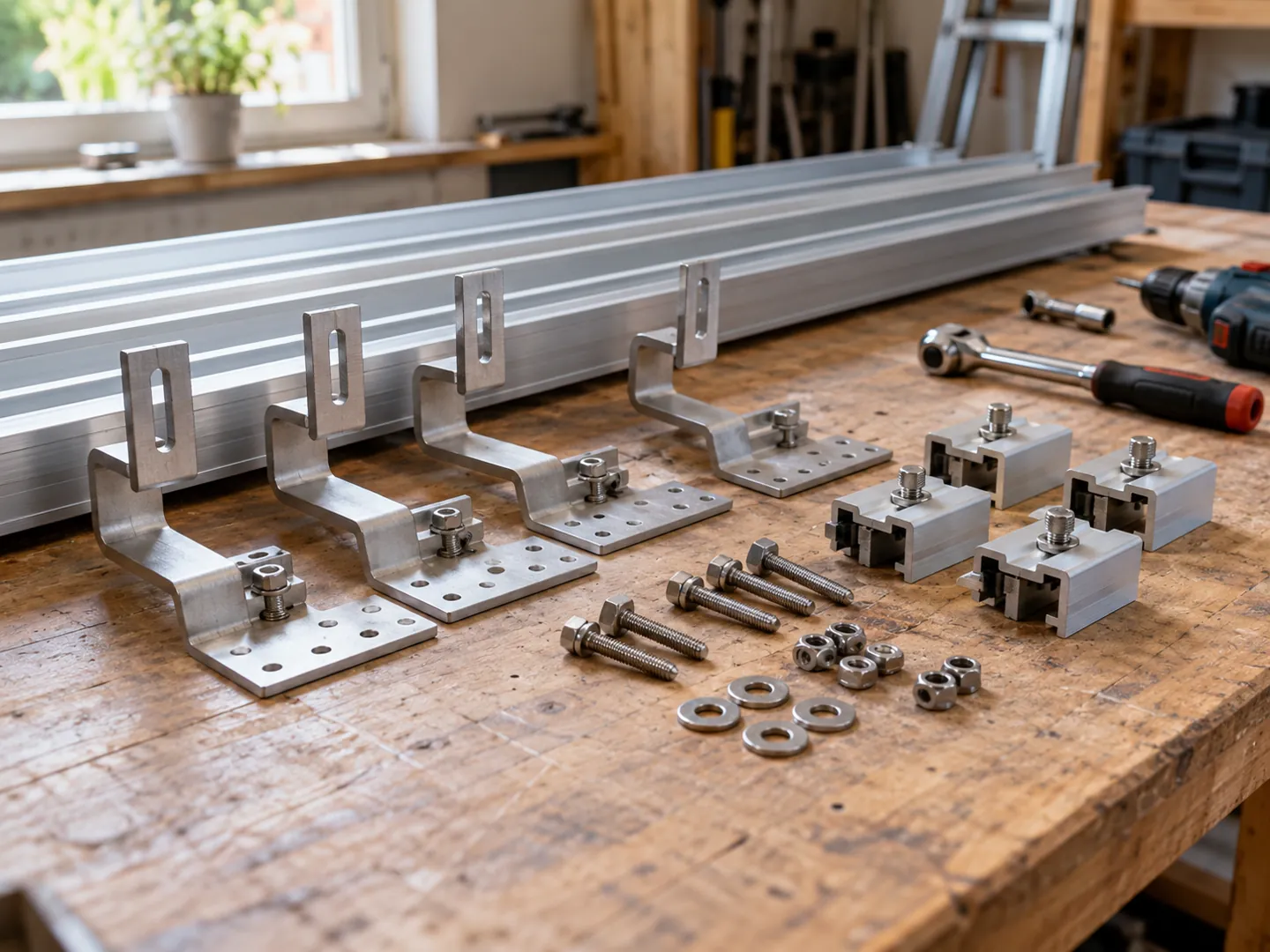
FOUR QUESTIONS TO ASK
The Department of Energy suggests asking multiple installers to assess your roof and confirming each one is licensed and certified, citing NABCEP as a reputable certifying body.
The FTC suggests asking about the licenses, certificates or bonding your state, county and city require.
Ask whether the contract guarantees a minimum amount of power and what the company pays if it falls short.
Ask whether your utility uses net metering, which credits you for extra power sent to the grid. Fixed charges still apply.
Ask who maintains the system, who pays for repairs and who is responsible for roof repairs after installation.
THE PAPERWORK
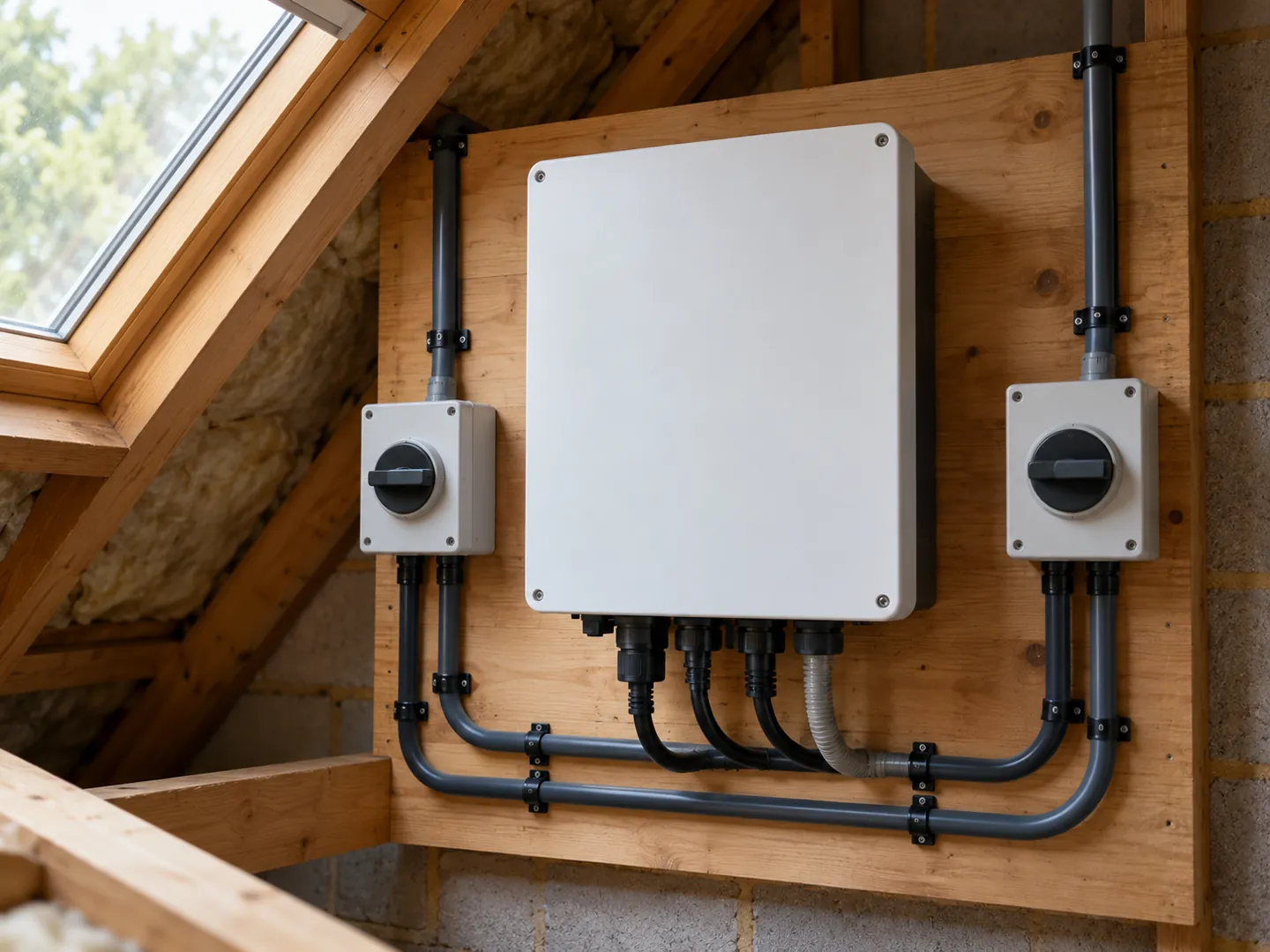
The installer typically handles the permits and inspections your local government requires. The Department of Energy points to NREL's SolarTRACE tool for estimating permitting, inspection and interconnection timelines in a given area.
Before signing, the FTC suggests checking that the contract matches what was promised, including monthly or per-kWh costs, early termination fees, options at the end of the term, and whether a buyer of your home can take the contract over. Walk away from anyone who pressures you to sign quickly or pay in cash.
Questions
They may describe different systems or different scope. The FTC suggests comparing detailed written bids that state size, expected output, the full installed cost including permit fees, and the warranties.
Not for a home system completed after December 31, 2025. The IRS says the section 25D credit is not allowed for expenditures made after that date, and the date is when installation is completed.
Yes. The FTC says with a lease you use the system but do not own it, payments may increase, and leases and power purchase agreements usually do not qualify you for tax credits, which go to the owner.
The North American Board of Certified Energy Practitioners. The Department of Energy cites it as an example of a reputable body that certifies solar installers.
The installation itself generally takes a few days, but the Department of Energy says permits and inspections can take weeks to months.
Sources
ABOUT THIS NAME
bestpricehomesolar.com is part of the DoodleSale portfolio. It isn't in an auction right now, but you can ask about leasing it.